
Looking for an Independent Designer in Tokyo?
Here's What You Actually Need (and why it's rare)
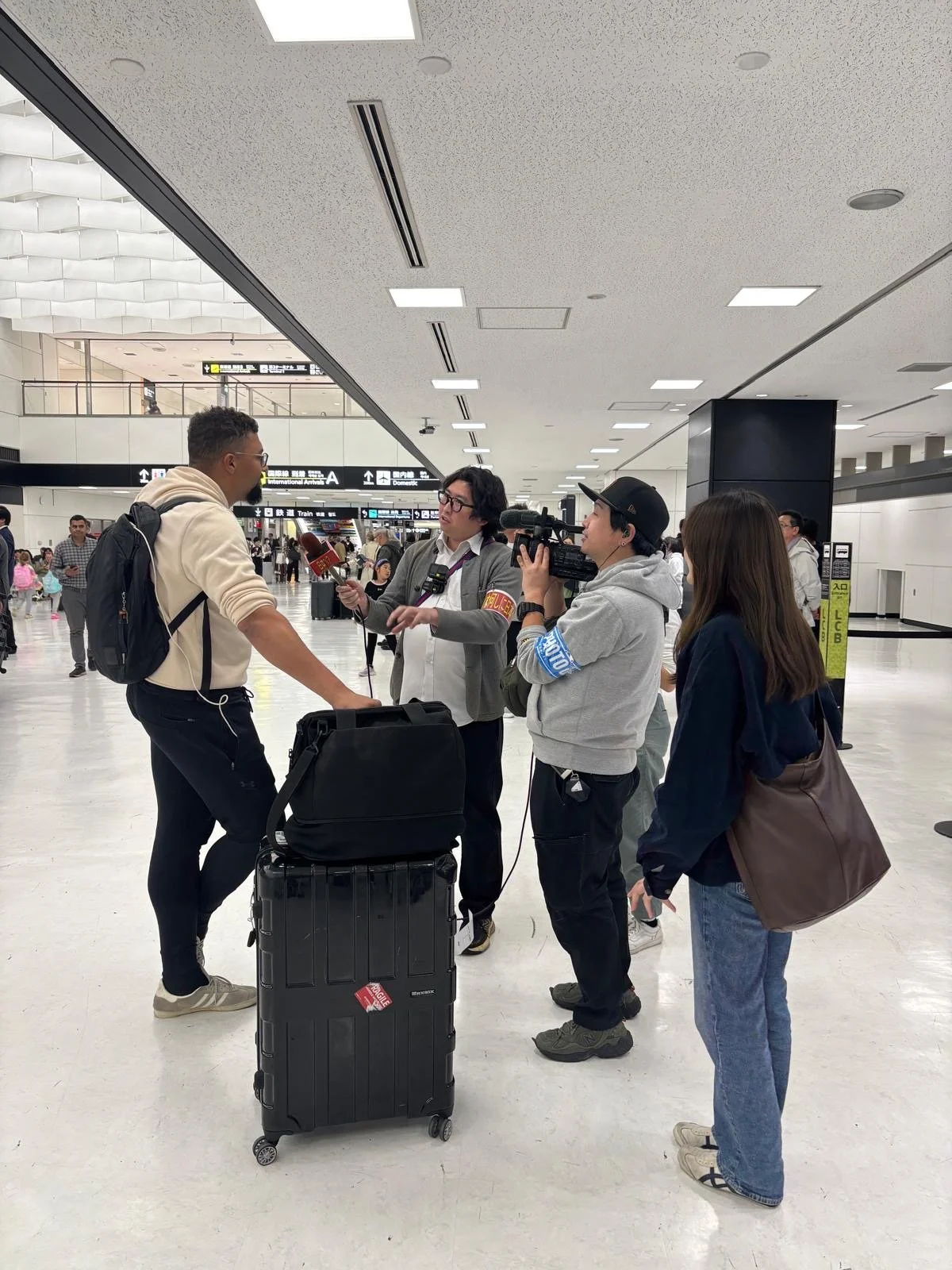
I'm Shane Allen, a Tokyo-based designer / strategist who helps teams turn complex ideas into clear digital experiences — across Japan, the U.S., and international markets.
You get: UX/UI design, brand systems, website builds, and content strategy — with cross-cultural fluency and the speed of working with one person, not an agency.
Built for founders, product leads, and marketing teams who need strategic design that actually ships.
Companies I've produced works for










What I Deliver
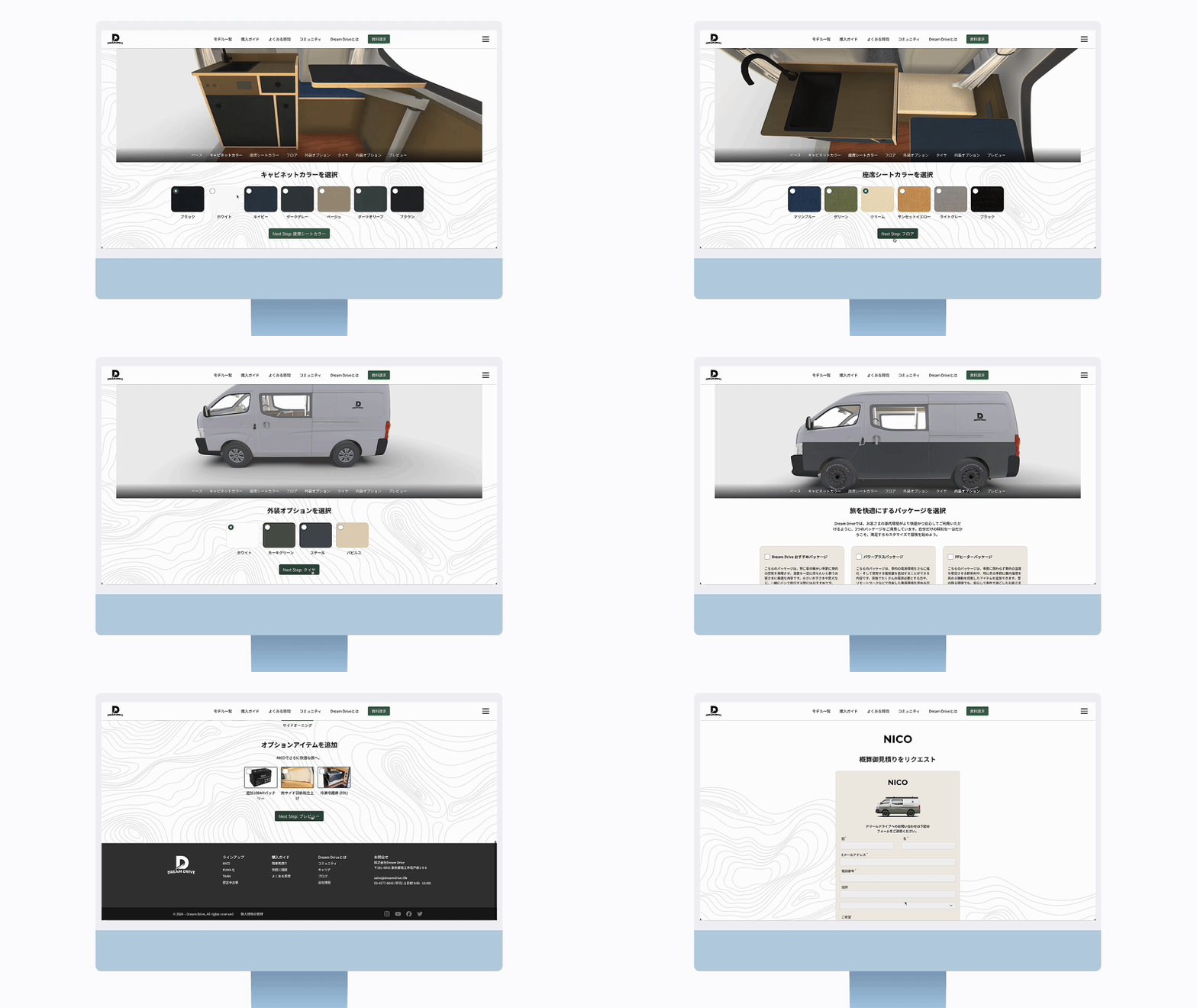
UX/UI Design
UX audits and actionable recommendations
Wireframes, prototyping and user flows
UI design systems (handoff-ready)
Landing page conversion-focused design
Best for: products, SaaS, internal tools, new feature launches, redesigns.

Content Creation
Content design for LinkedIn / Meta
Campaign creative direction
Ads and performance-ready creative formats
Visual storytelling systems (so content doesn't feel random)
Best for: teams who want content that supports business goals.
Or click here to talk!

Website Design
Website strategy and sitemap planning
Content structure and page narrative
Collaboration with developers when needed (QA, feedback loops, launch support)
Best for: startups, consultancies, lifestyle brands, product companies.
Brand Identity
Logo systems and brand marks
Typography + color systems
Usage rules and brand guidelines
Templates for social, pitch decks, and marketing assets
Best for: brands that need consistency across touchpoints.
Why Cross-Cultural Design is Harder Than It Looks
Most design challenges in cross-border work aren't technical — they're cultural. And in the space between Japan and global markets, those gaps show up fast:
Japan → Global Markets:
Information density vs. minimalism: Japanese design often prioritizes comprehensive information at a glance (think Yahoo Japan's homepage). Global audiences — especially in the US and Europe — expect minimalist interfaces and "progressive disclosure" (reveal details when needed, not upfront).
Consensus-driven pace vs. speed of execution: Japanese teams use nemawashi (informal pre-meetings to build alignment) and ringi systems (circular approval processes). Global teams expect rapid iteration and autonomous decision-making. The result? Misaligned timelines and frustration on both sides.
Indirect communication vs. explicit messaging: Japanese marketing relies on kuki wo yomu (reading the air) — subtle cues, emotional storytelling, and implied meaning. Western marketing demands direct value props, clear CTAs, and logical persuasion. A campaign that works in Tokyo can feel vague or confusing in New York.
Trust-building through relationships vs. proof through performance: Japanese consumers prioritize brand reputation, peer recommendations, and long-term relationships (82% of older Japanese consumers prefer familiar brands). Western consumers want social proof, fast results, and competitive differentiation.
Global → Japan:
Hard-sell tactics fall flat: Bold, direct messaging that works in the US ("Be Bold. Stand Out. Own Your Success.") feels aggressive or culturally tone-deaf in Japan, where harmony and modesty are valued.
Design that's "too simple": Minimalist designs that feel clean and modern to Western audiences can come across as lacking substance or detail to Japanese users who expect thoroughness.
Speed without structure: Western "move fast and break things" mentality clashes with Japanese expectations for careful planning, thorough documentation, and stakeholder alignment before launch.
Where I fit in:
I'm the designer who translates across these gaps —not just linguistically, but operationally and visually.

That means:
Designing interfaces that adapt to both markets: clean and conversion-focused for Western audiences, while providing depth and detail for Japanese users without feeling cluttered.
Coordinating workflows across cultural expectations: I understand why Japanese teams need more time for alignment and how to communicate that to Western stakeholders without it feeling like delays.
Crafting messaging that works in both directions: Whether it's sharpening indirect Japanese messaging for global audiences (like Mirai Speaker's U.S. expansion) or delivering detailed information on camper van specifications of an Australian-Japanese company selling in Japan (DreamDrive), I know how to adjust tone, structure, and visual language.
Bridging the trust gap: Japanese markets require patient relationship-building and localized proof points. I help structure campaigns that respect that pace while keeping Western stakeholders confident in the strategy.
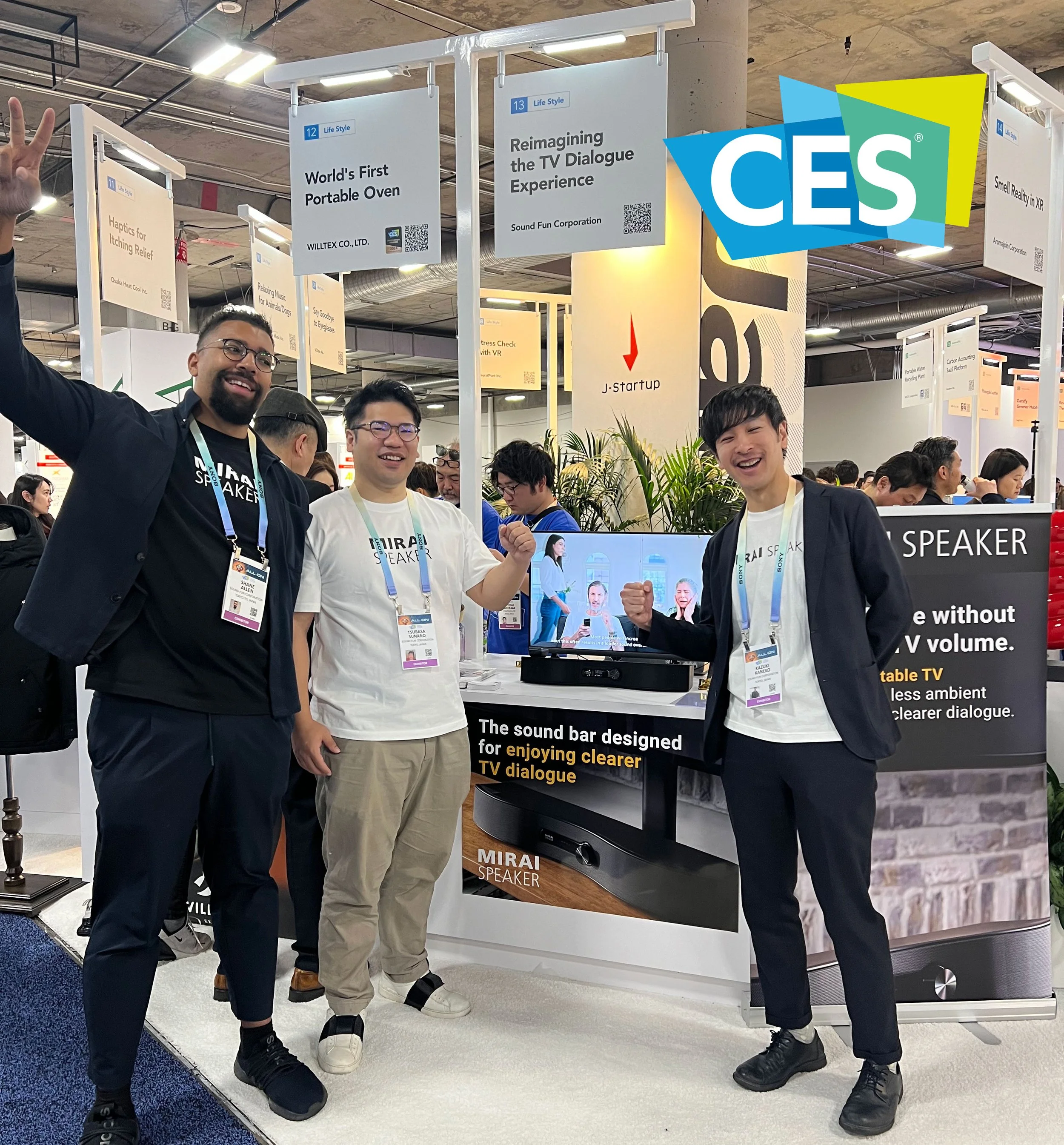
Real example: Mirai Speaker
Mirai Speaker succeeded in Japan because it addressed a real local need: Japan's aging population needs dialogue-boosting audio technology. The product's strength is its cultural fit.
But expanding to the US required a complete reframe:
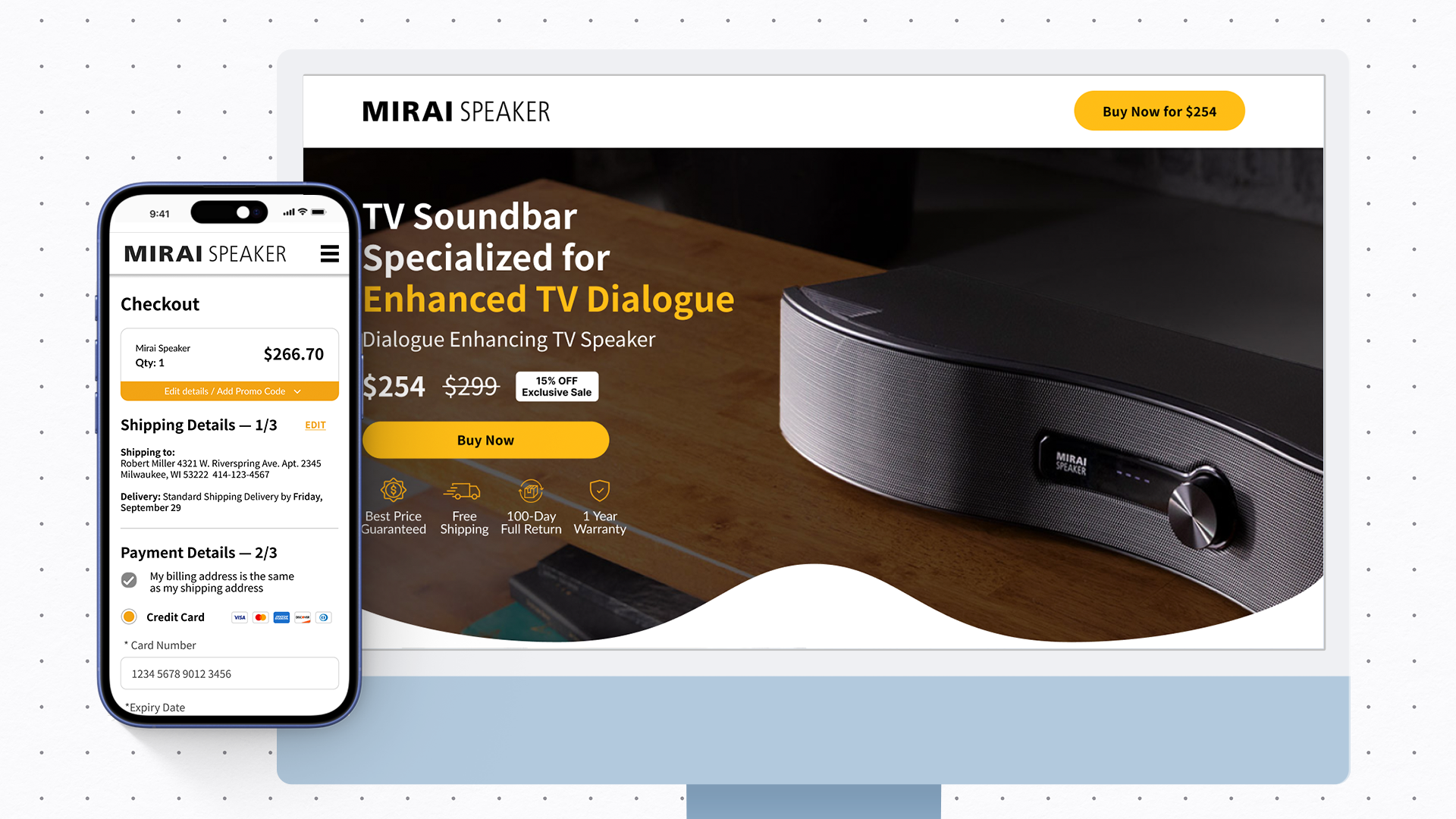
Japan messaging: Focused on benefits, features, statistics, along with improving quality of life with family members and those working in audio into their smaller spaces.
US messaging: Had to pivot to individual quality of life, accessibility innovation, and clear performance benefits along with selling a compelling story. Additionally the market is saturated with a variety of other speakers on the market, so continuous testing of the page was needed to compete.
The product didn't change. The story had to.
That's the work I do — making sure your product's value is obvious in the market you're entering, without losing what makes it strong in the market you came from.
I strive to be a cultural translator, and enjoy the research that gets me closer to your goals.
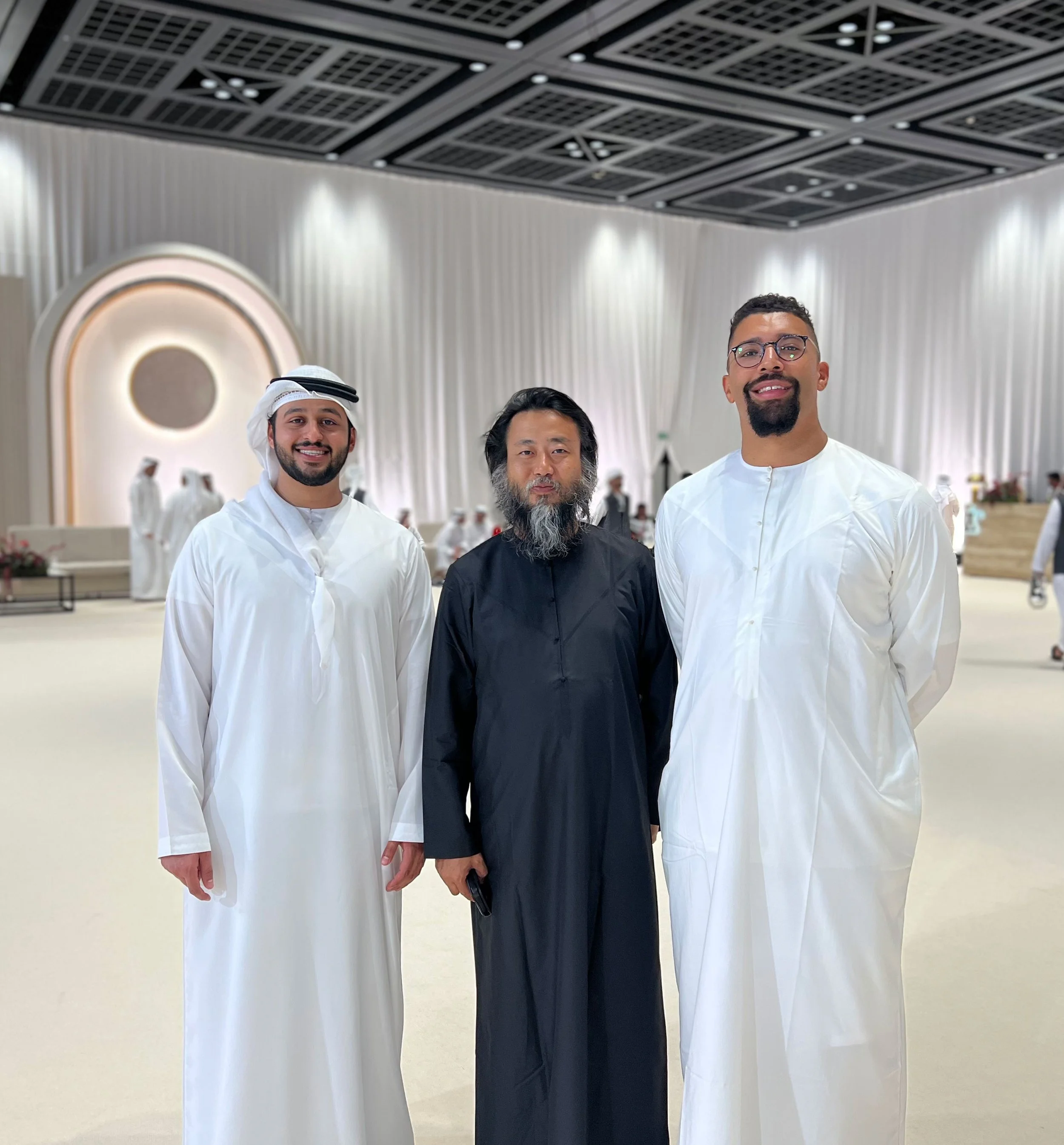
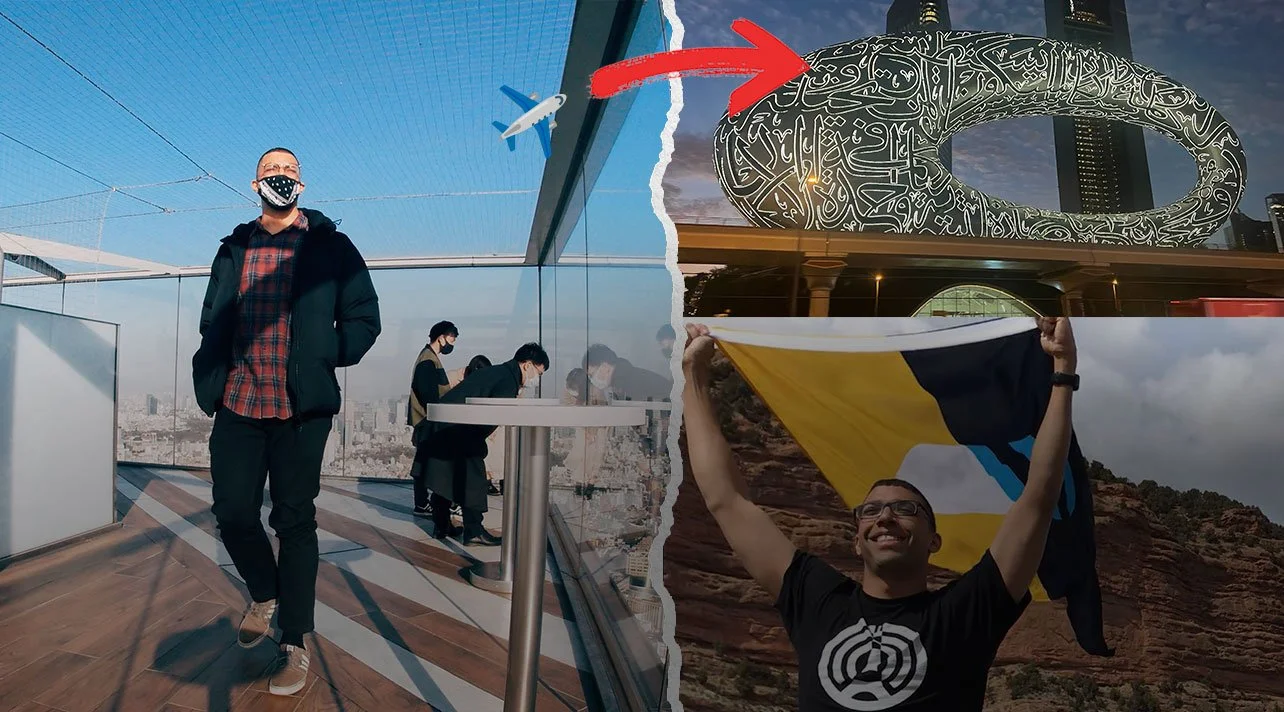
From Tokyo to Dubai | Case Study
See how a strategically clear website built in Tokyo helped a Japanese restaurant consultancy go from zero presence to #1 on Google and land its first major Dubai contract in just three months.
This matters if you're:
A Japanese company expanding to the US, Europe, or Middle East
A Japanese company looking to attract more inbound tourism
A Western company entering Japan and realizing your current design/messaging doesn't land
A cross-cultural team struggling with misaligned expectations, slow approvals, or campaigns that feel "off" in one market
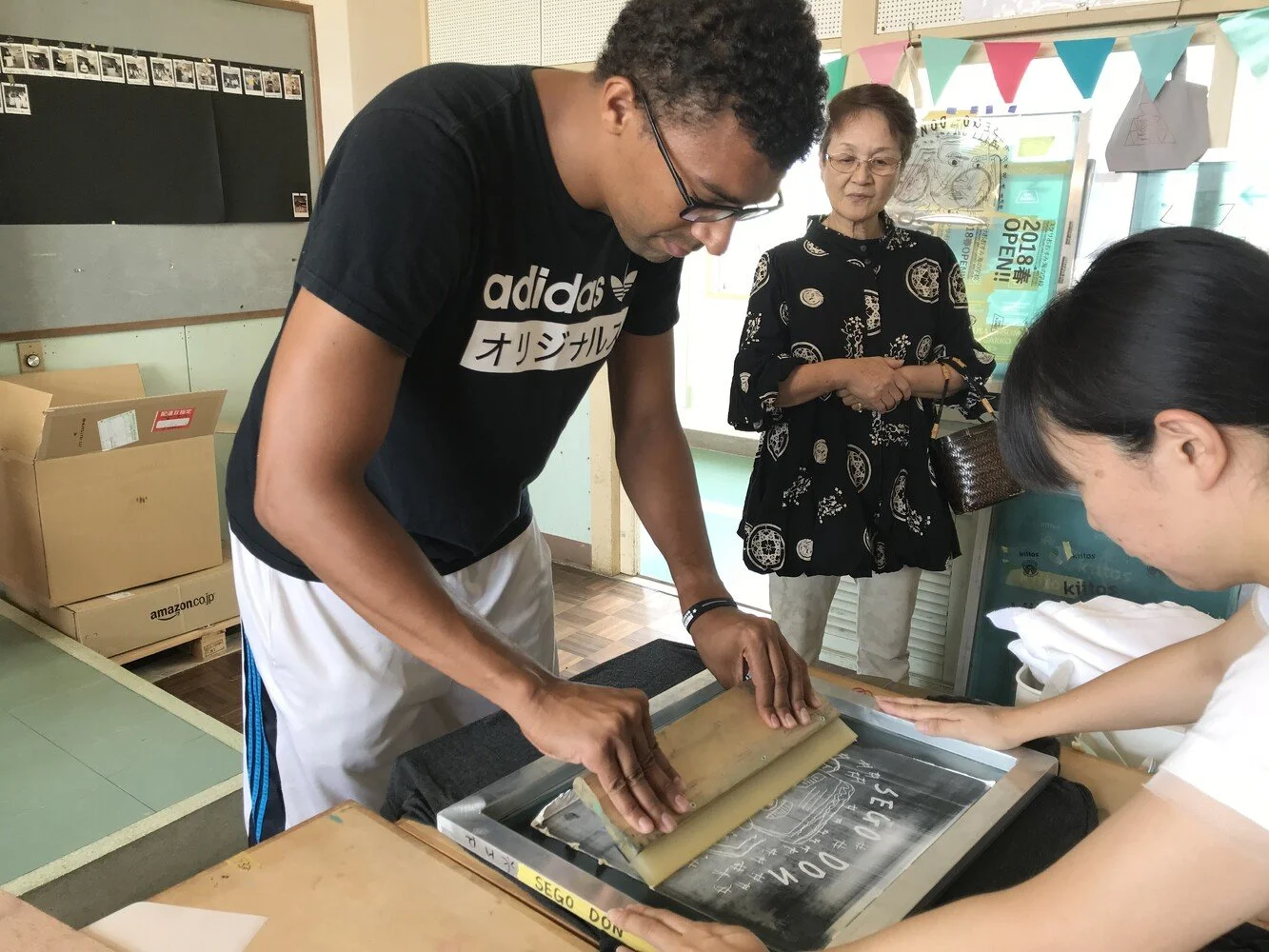
Inbound Tourism in Southern Japan | Insight
How ‘removing barriers to discovery’ became the real strategy for inbound tourism — and why it matters for every destination brand.
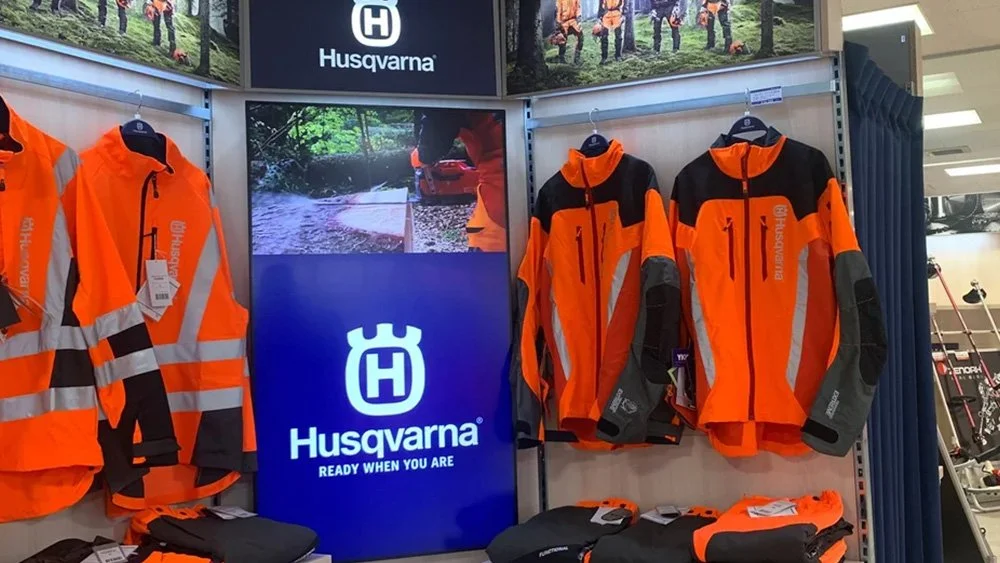
Display of orange and black Husqvarna outdoor work jackets and vests at a store, with a Husqvarna logo and branding on a digital screen in the background.
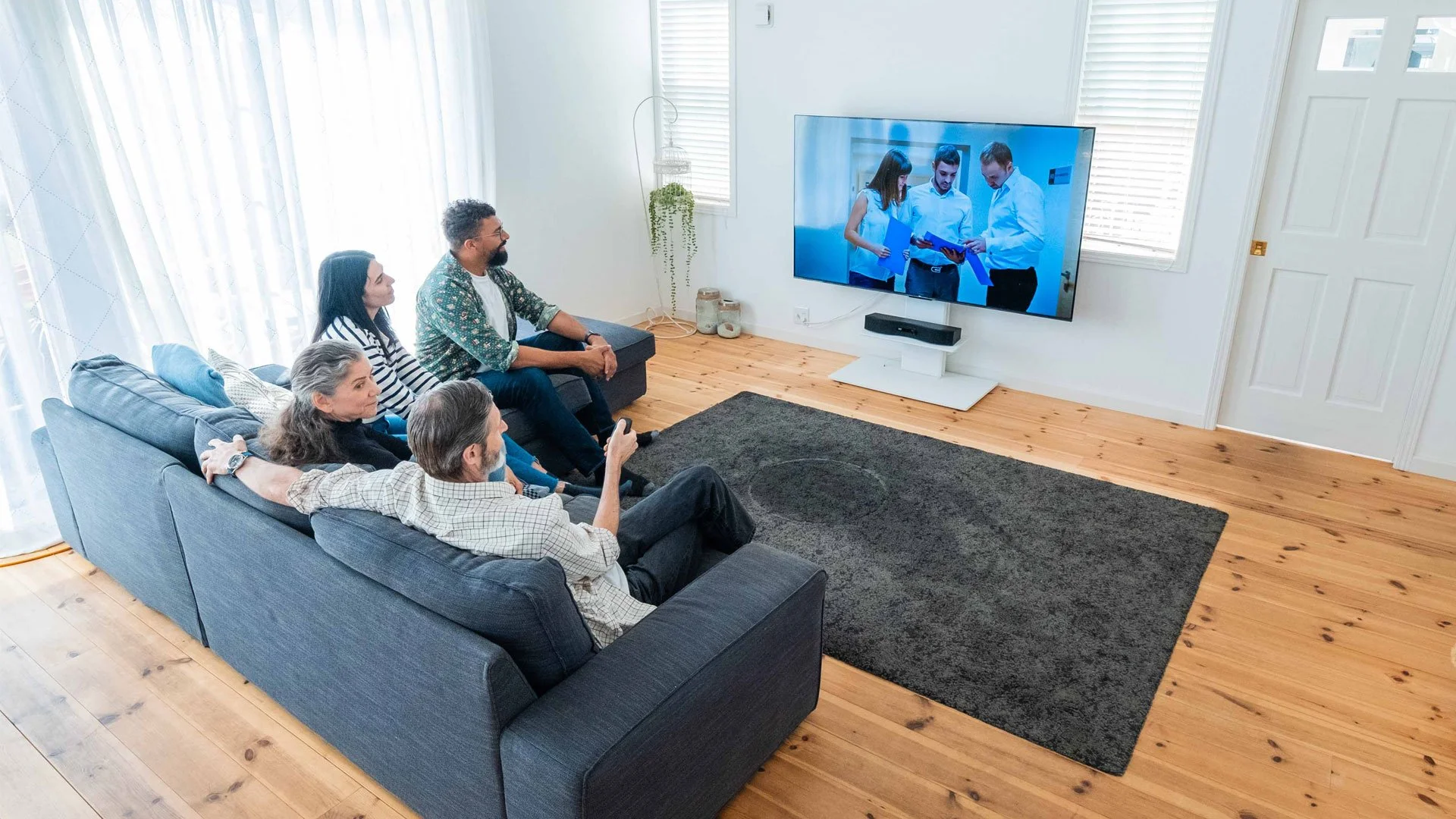
Family watching TV in living room
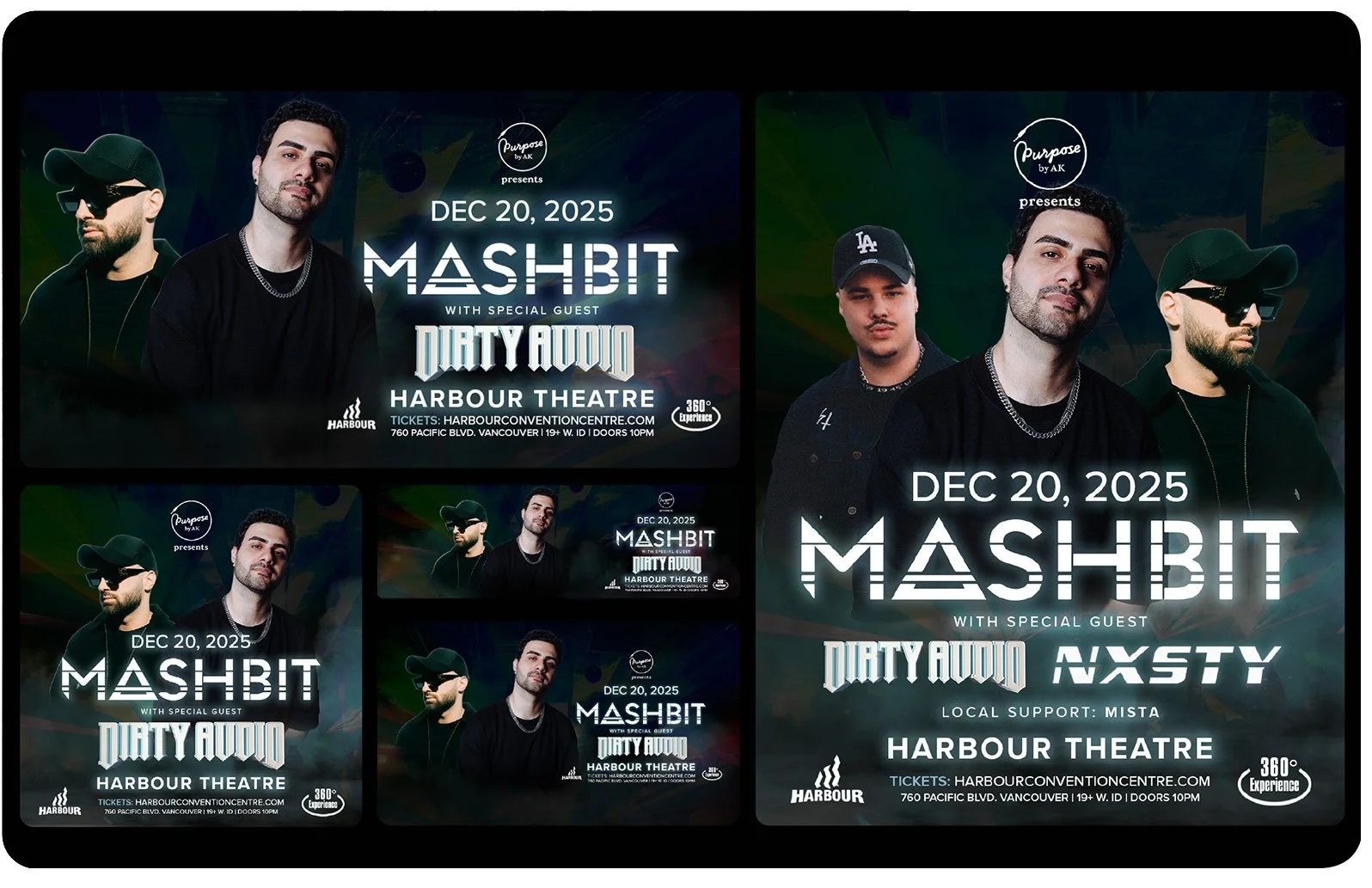
A promotional poster for a music event titled 'MASHBIT' on December 20, 2025, featuring special guest Dirty Audio and NXS. The event is at Harbour Theatre in Vancouver. The poster displays images of three male artists with dark backgrounds and colorful abstract elements.

A digital illustration featuring a green and gray camper van with a schematic view on a laptop screen, with faint topographic lines in the background.

The image features a DVD cover of the movie "Rambo: Last Blood" starring Kevin Hart, with a poster of Kevin Hart in a martial arts stance with a surprised expression, holding a sword, and a background with an orange explosion and red text.

Laptop screen displaying a product webpage for Mirai speaker, featuring elderly couple enjoying TV, with sale details and purchase options, placed next to a Mirai speaker.

DJ mixing at a turntable in a dimly lit environment.

Event poster for 'Yes, and... Hypnosis' at io Theater Chicago, December 4th at 8:00 PM. Features performers Natasha Pearl Hansen, Sonny Bhatt, and Keelan Wendorf, with special guests. Includes imagery of comedy, magic, and hypnotism themes with people and playing cards.

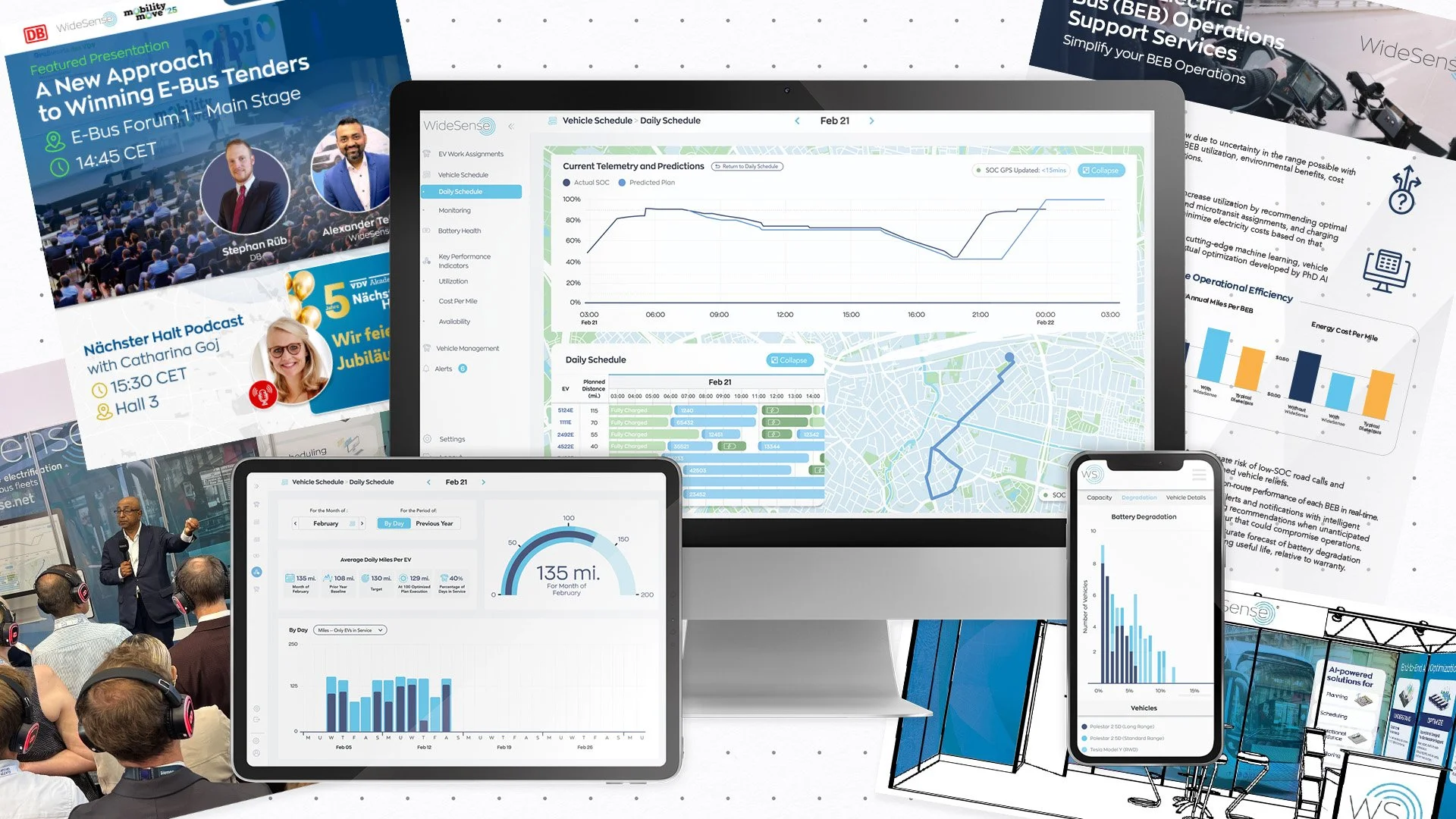
Four people engaged in a discussion at a conference booth. The background features a blue banner with the words "widesense" and information about AI-powered solutions for public transport bus fleets.

Digital illustration of diverse cartoon avatars shopping, with a focus on one avatar on a smartphone screen, customizing features like eyes and hair style, set against a light background with multiple fashion-forward characters.

Who I'm a Fit For
I'm usually a strong fit if you're:
a enterprise to SMB building or rebuilding your site
a marketing team that needs a reliable design partnerlooking to attract inbound tourism to your venue
a product team that needs UX/UI that actually ships
a Japan-based team expanding outward to U.S., Europe or the Middle East
a global team that needs Tokyo context (and clear communication)
If you're looking for a partner who reduces chaos, makes delivery smoother and needs long term assistance, please feel free to contact.
What It's Like to Work Together
Most clients come to me with one of these situations:
"We need a site refresh but don't know where to start."
"We have the product, but the message isn't landing."
"We need UX/UI, but also someone who can coordinate delivery."
"We're cross-cultural and the current design feels off in one market."
“I need a partner who can help me communicate abroad".”
My process is straightforward:
Step 1: Clarify the target and the job-to-be-done
Who are we trying to reach, and what do they need to feel confident?
Step 2: Build the system (not just the screens)
A good design isn't a one-off. It's a set of decisions your team can reuse. I work with your team to strategize, shape and create your vision, and test for improvements moving forward.
Step 3: Deliver with momentum
Clear milestones, tight feedback loops, no mystery.
Frequently Asked Questions
-
A freelancer often executes tasks. An independent designer usually owns outcomes: goals, structure, decision-making, and delivery.
-
Yes. Cross-cultural clarity is core to CarmelloVision. I'm used to bridging expectations, feedback styles, and communication across teams. I’ve worked within agencies in the past handling work for both large global brands to small mom and pop shops located in APAC, Europe in the U.S. Even back in the U.S., I was a proponent to bring a diverse voice to corporate agencies.
-
Absolutely. I often coordinate with devs for handoff, QA, and launch support so design doesn't get "lost in translation." With former experience as a Project Manager for five years, I understand end-to-end project flow, and bring that into every creative project that comes across my desk.
-
Website builds, UX/UI, brand systems, content systems, and campaign creative. If it touches digital experience and narrative, I'm in my lane. I’m also curious to learn what you need, as I can also help put you in touch with the right people — such as PR Agency, Developers and Digital Marketing connections.
-
I work with teams globally, but being Tokyo-based means I understand the local context, time zones, and business culture when needed
-
It depends on scope, but most website projects run 4-8 weeks, brand systems 4-6 weeks, and UX/UI work is scoped per phase. Content depending on need.
Ready to Work With an Independent Designer in Tokyo?
If you're looking for a creative partner who can design, coordinate, and ship across cultures, let’s talk.
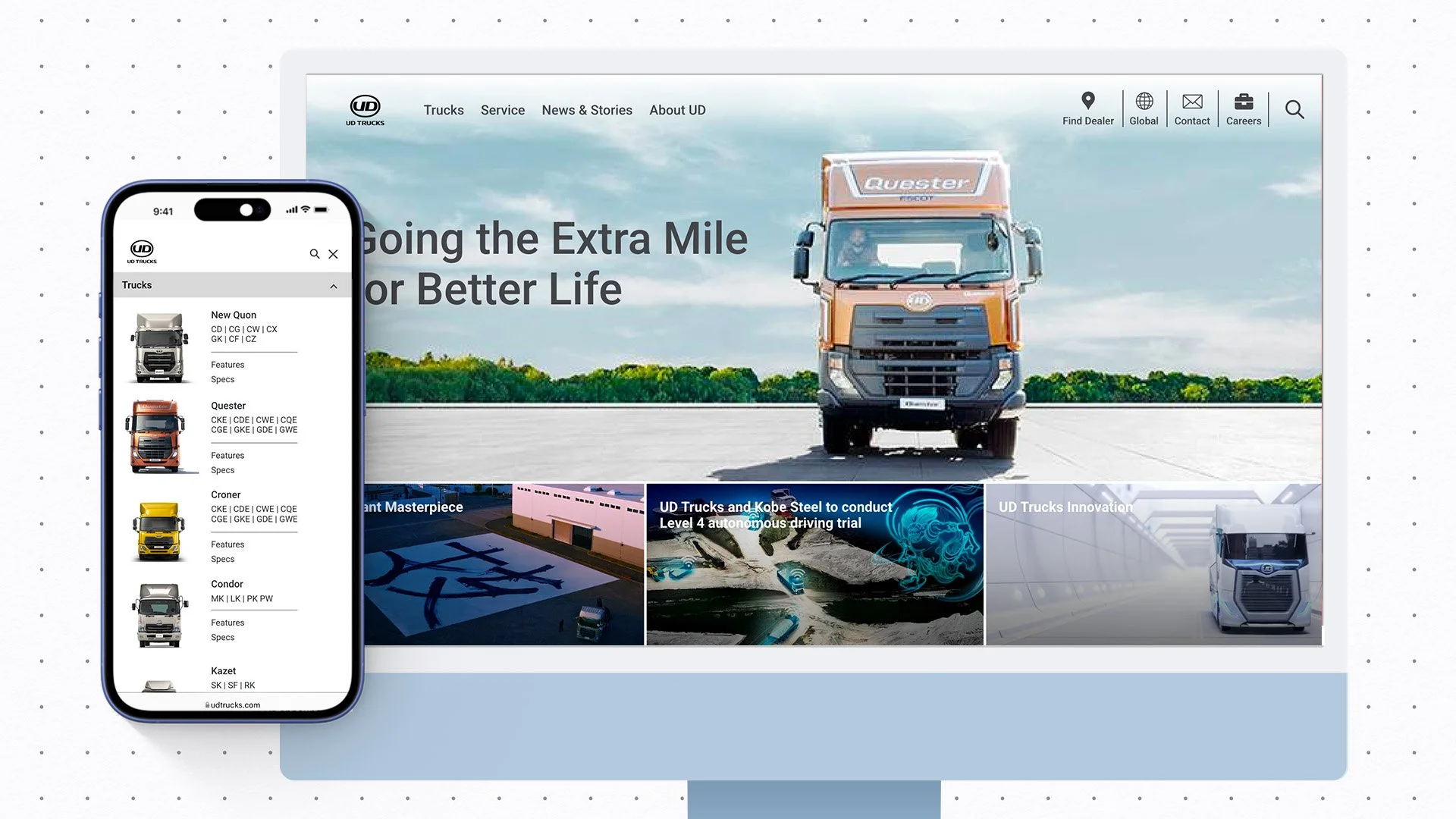
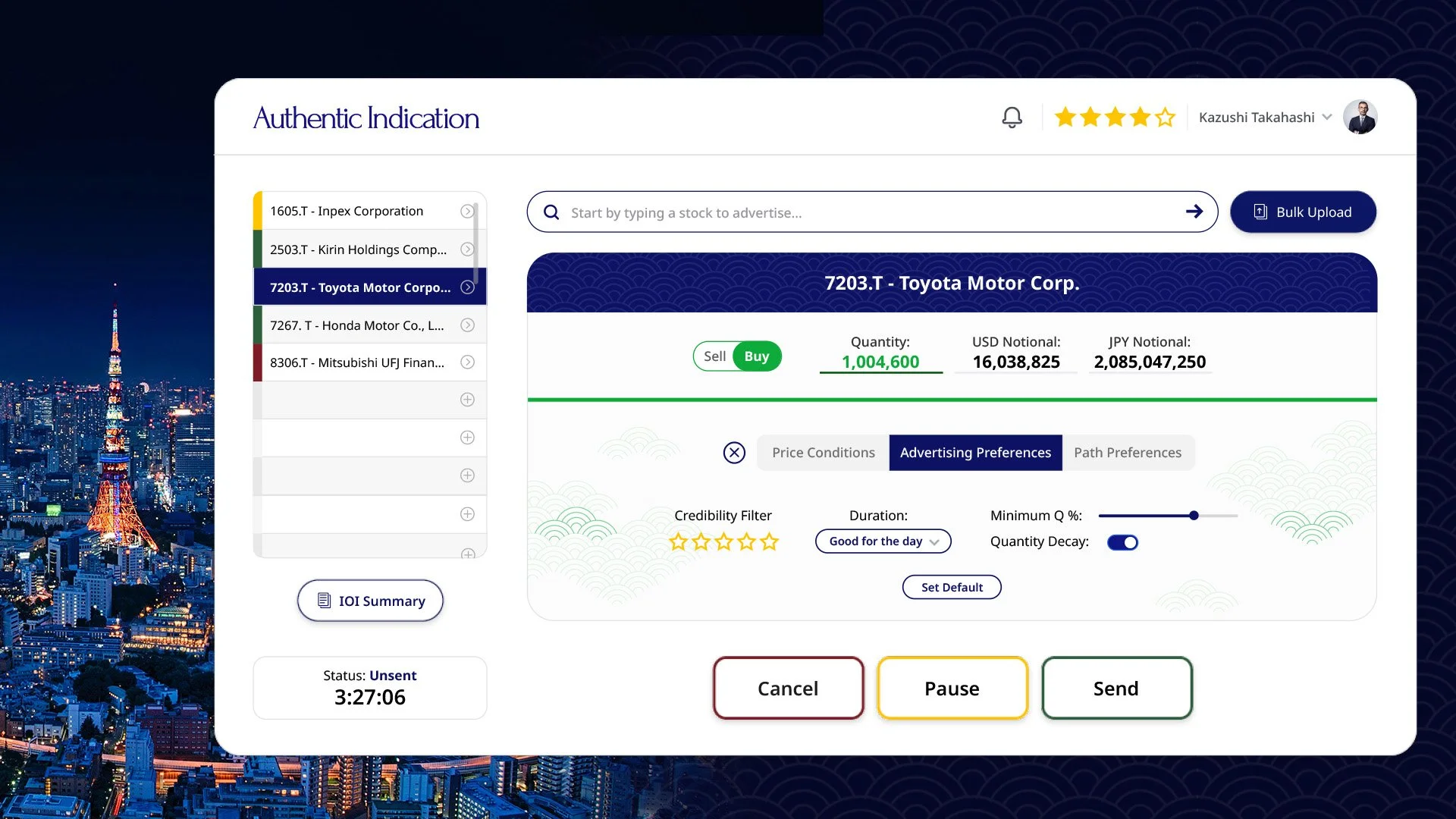
Explore Japan specific past work

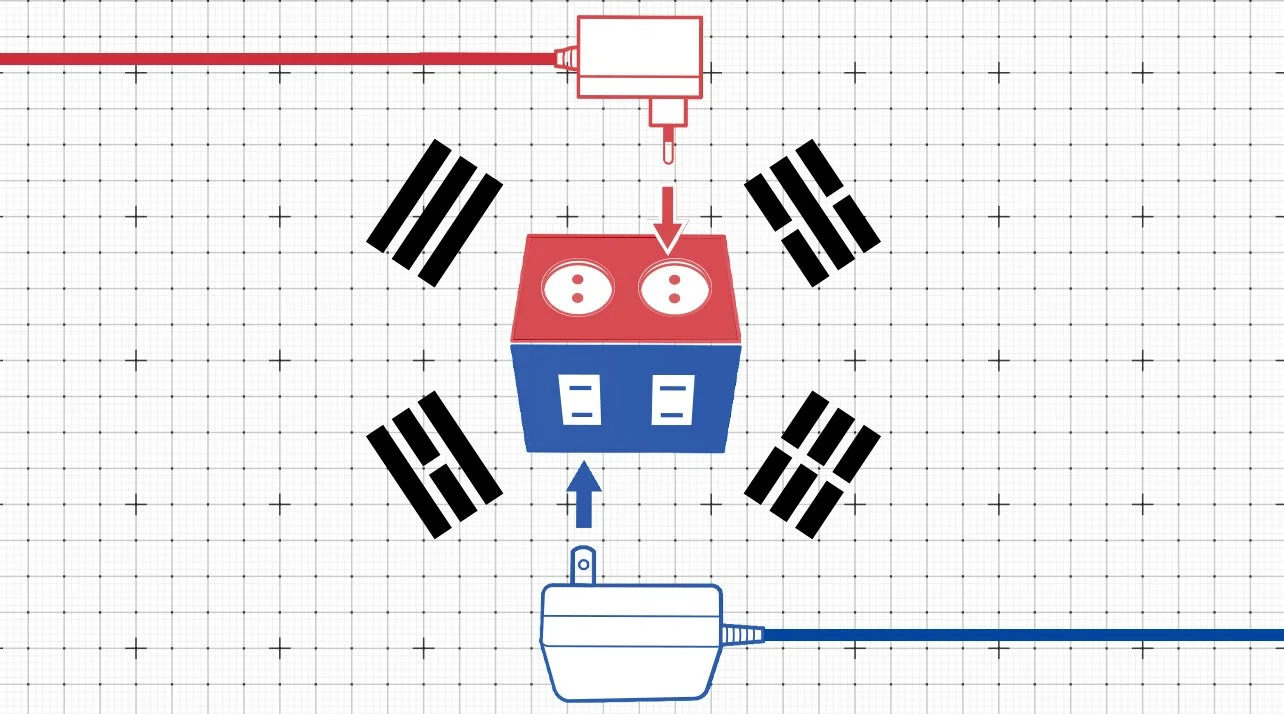
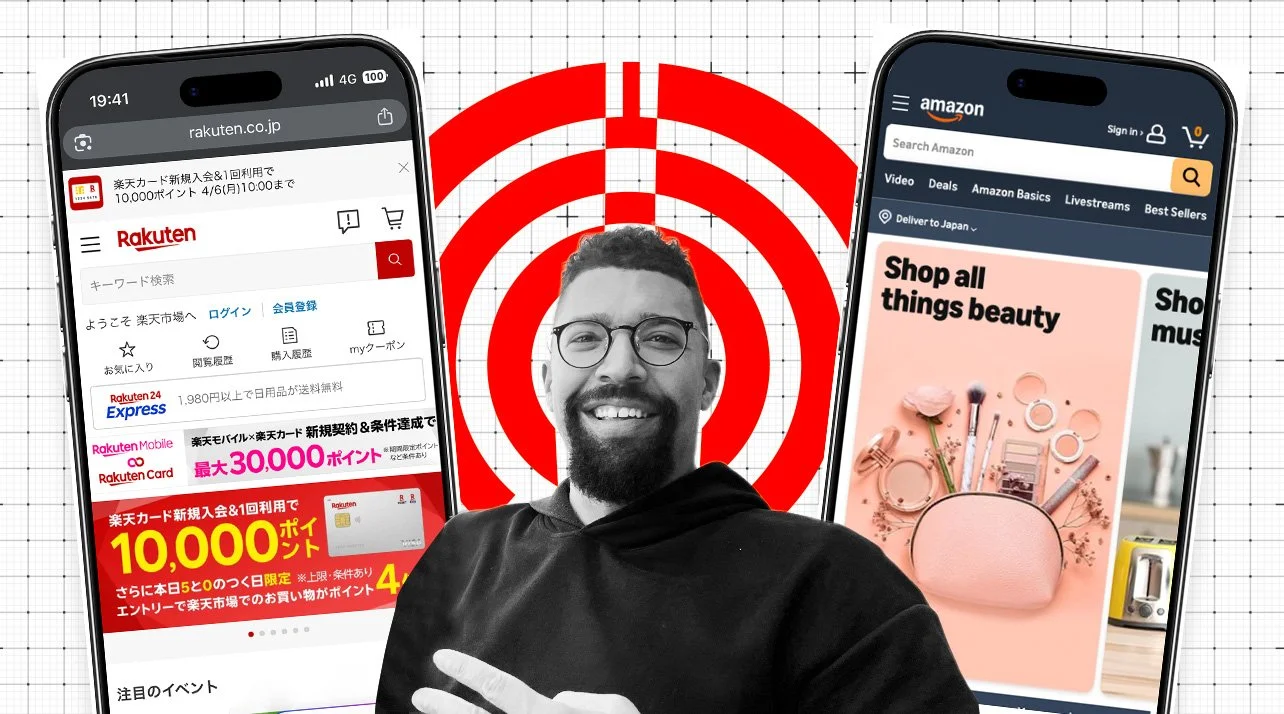
Explore Japan specific insights
Let's talk

I work with brands navigating cross-cultural markets, launching products, and building systems that scale. If you need someone who can step in, get your team aligned, and execute — reach out.
Coffee chats welcome too.