How a Website Built in Tokyo Landed a Major Contract in Dubai
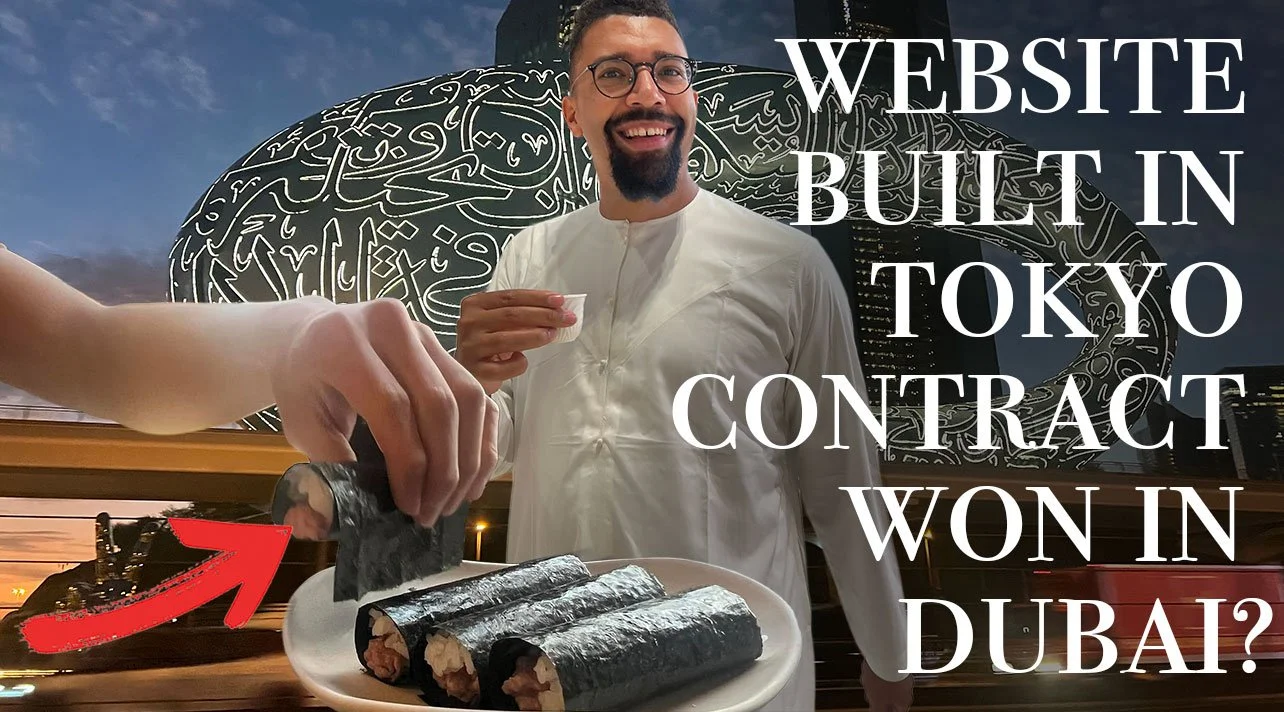
A year ago, I helped a friend expand his Japanese restaurant consulting company from Tokyo to Dubai.
The entire expansion started with one thing: a website.
Not an elaborate one. Not expensive. Just strategically clear.
Within three months, that site generated a major consulting contract that funded two trips to Dubai and reshaped how I think about cross-cultural business, digital positioning, and what it means to protect authenticity abroad.
Here's what happened — and what I learned.
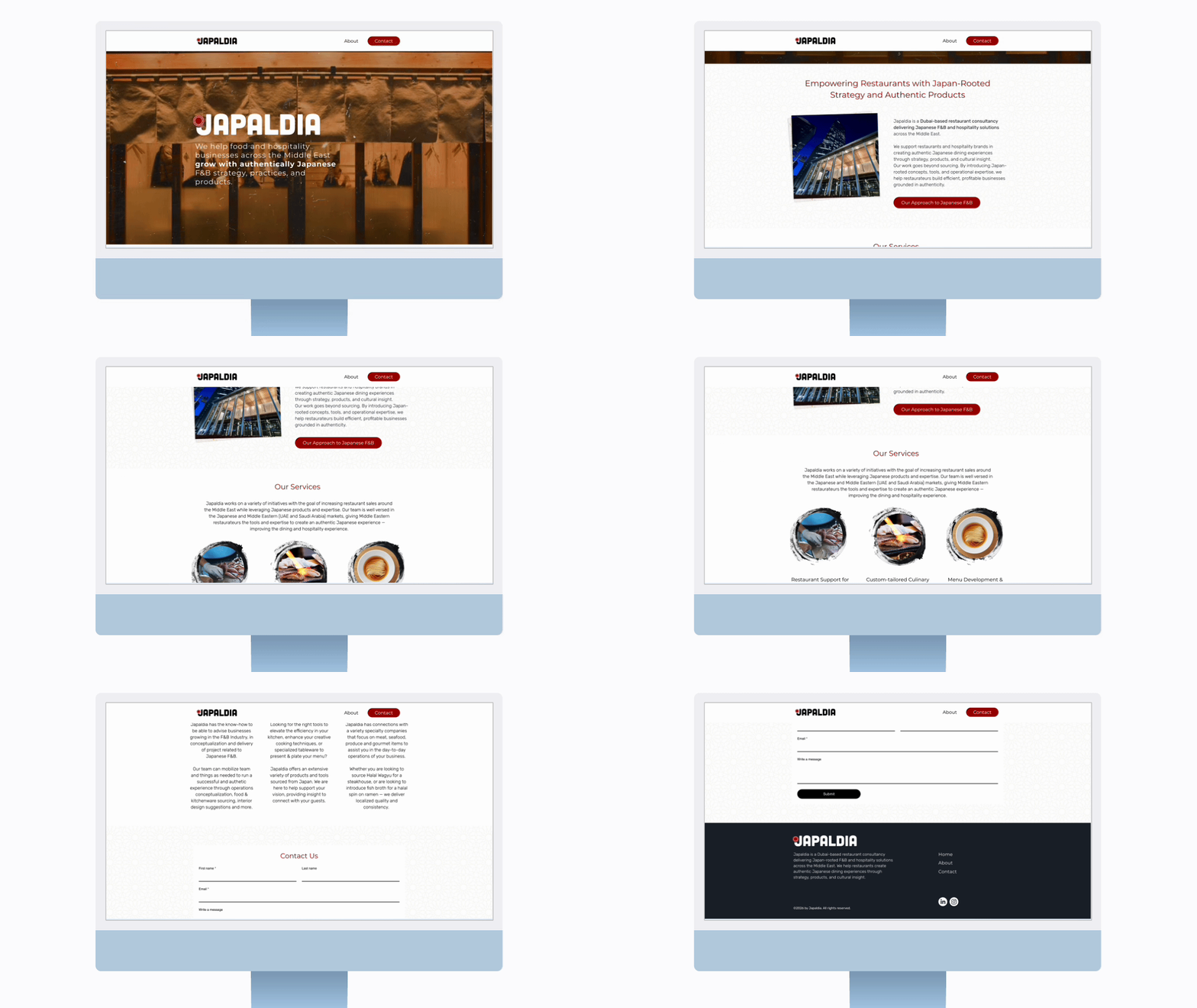
A scroll through the landing page
The Starting Point
My friend runs Japaldia, a Japanese restaurant consulting agency focused on authenticity and sustainable expansion. He wanted to enter the Dubai market but had zero presence there. No clients, no network, no track record in the region.
Just expertise and a belief that Dubai's booming Japanese food scene needed what he offered: restaurants grounded in craft, not just Instagram trends.
The challenge was clear: establish credibility in a competitive market without being physically present.
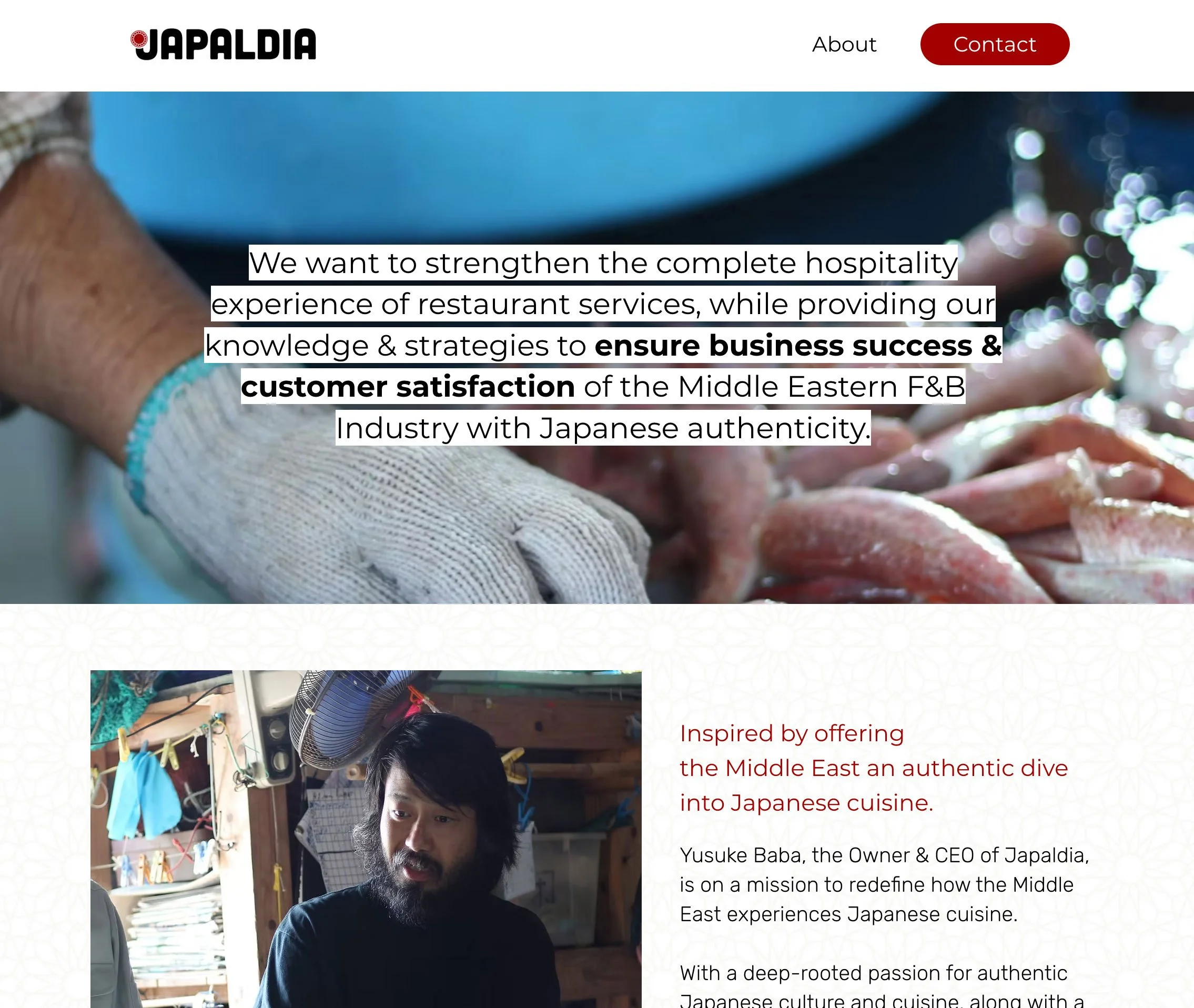
A snippet of the website leading into the inspiration.
Building for Clarity, Not Complexity
I built a Wix site in under a week.
The goal wasn't to impress with features. It was to communicate expertise clearly:
Clean, professional design that matched Japanese sensibilities
Straightforward service descriptions
Content structured around what potential clients actually search for
Mobile-optimized (critical in Dubai)
English-first for Dubai's international F&B community
Every page was designed to answer one question: "Can this consultancy help me open an authentic Japanese restaurant?"
The site wasn't elaborate. It was focused.
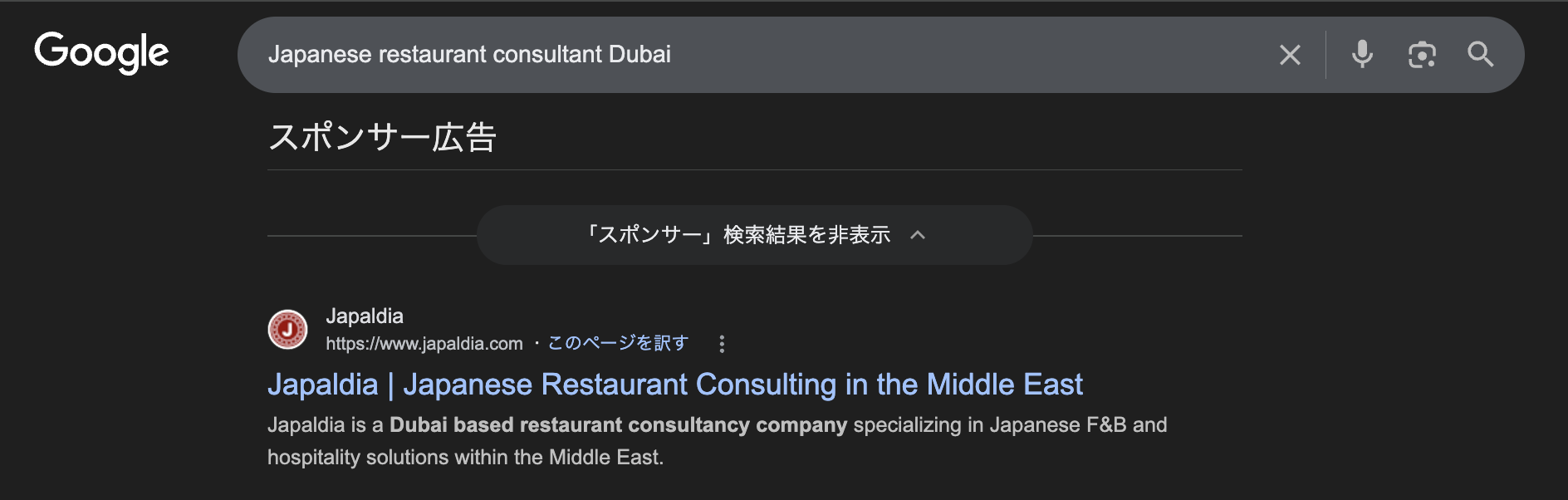
Top of the search, let's go!
The Results Hit Fast
Within six weeks, the site ranked #1 for target search terms.
Within three months, a Dubai-based client found the site through Google and reached out directly. No ads. No cold outreach. Just organic discovery.
The contract: full consulting for a hand roll bar concept. Concept development, supplier vetting, operational setup, staff training. Even regional admin assistance working with government officials to help continue my friend's operations.
That single contract didn't just validate the positioning. It funded two research trips to Dubai, allowing us to move from strategy on a screen to insight on the ground.
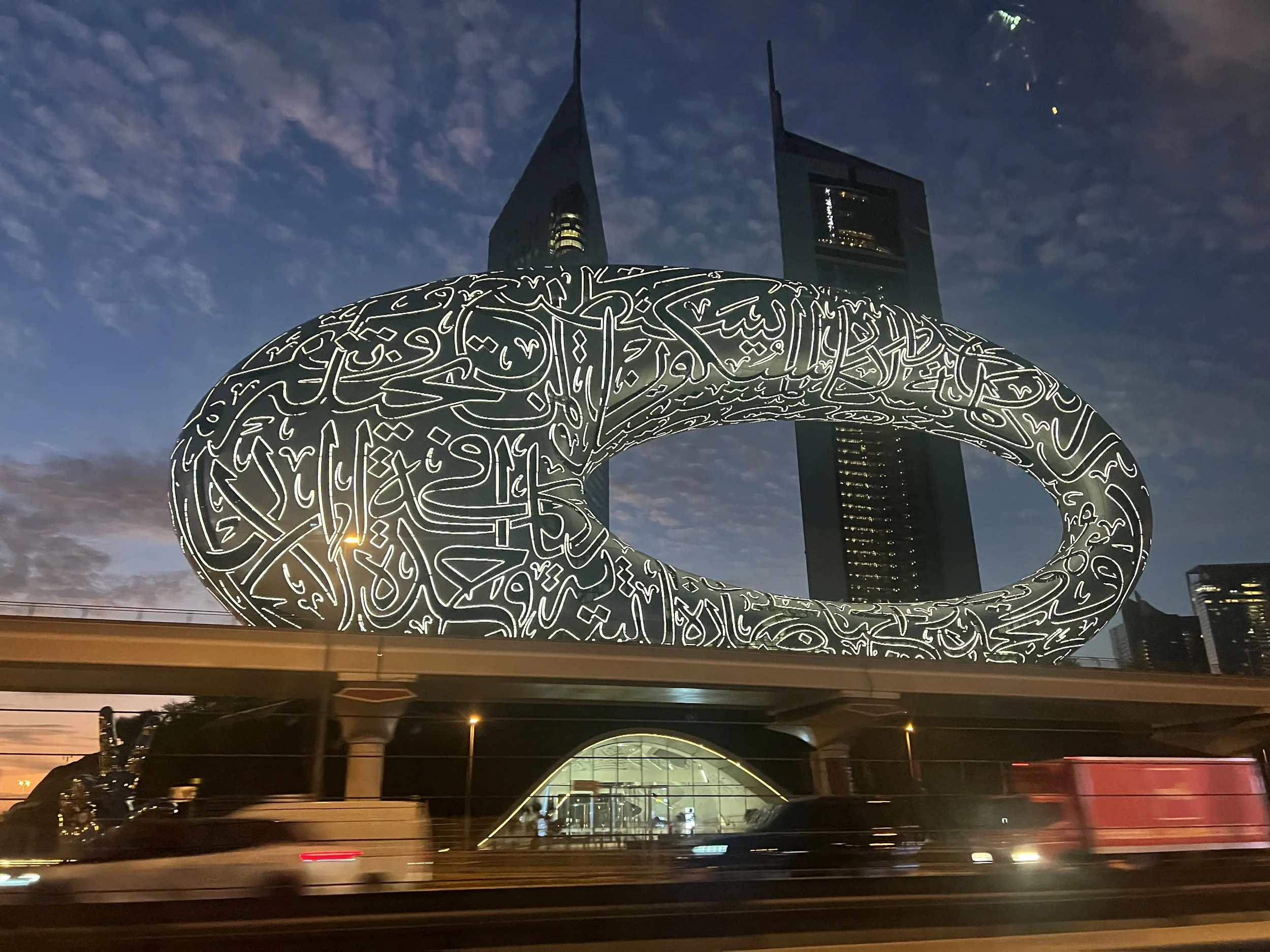
Early AM, looking at the Museum of The Future in Dubai after landing.
Dubai: The Real Education
Once in Dubai, the learning accelerated.
I joined the Japaldia team for comprehensive market immersion:
We visited 12+ hand roll bars across Jumeirah Beach, Business Bay, Downtown Dubai, and DIFC. We examined nori texture, rice seasoning, fish quality. We documented pricing, portions, presentation, locations.
We met with suppliers to understand sourcing challenges, import logistics, and where authenticity could be maintained vs. where adaptation was necessary.
We sat with real estate developers, tax consultants, government officials, and restaurant owners to understand Dubai's unique business environment—90% expatriates, zero income tax, a market moving at breakneck speed.
One moment captured everything:
I'm sitting in a small Japanese restaurant tucked away in a Dubai cul-de-sac, watching the chef pause mid-service to explain why the seaweed texture on his hand roll isn't quite right.
That level of craft—even when no customer is watching — is what separates authentic Japanese cuisine from surface-level imitation. And in a market flooded with "Japanese-inspired" concepts chasing trends, that commitment to fundamentals became Japaldia's competitive advantage.
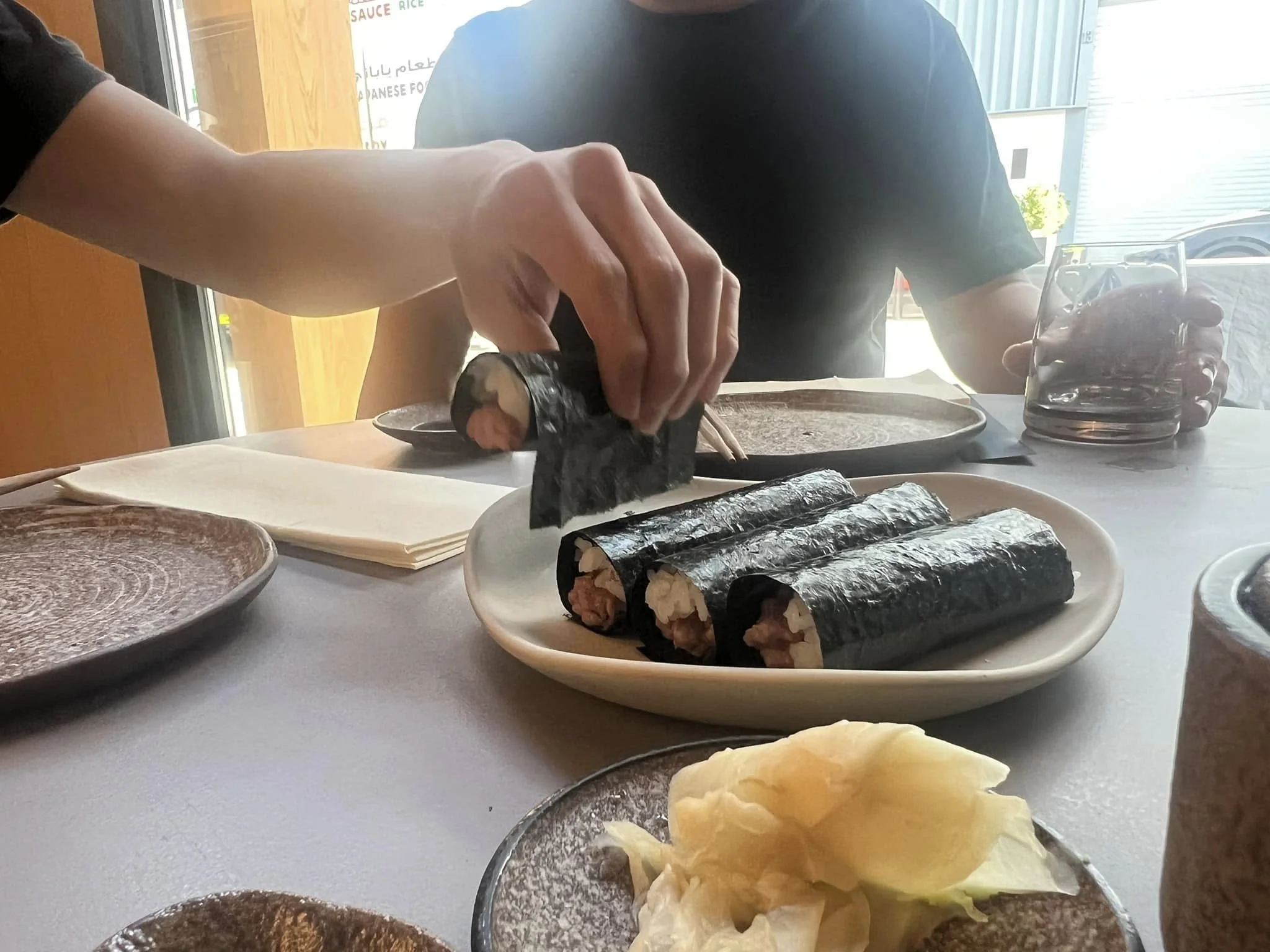
One Japanese handroll restaurant called Kokoro that was definitely tasty! It's a no-brainer people love them!
What Dubai Taught Me
1. Authenticity wins in noisy markets:
When everyone's chasing Instagram moments in restaurants in general, restaurants grounded in real craft stand out. Don't get me wrong however, some of these spots that were Instagrammable was a vibe.
2. Digital positioning must be market-tested:
The website got us in the door, but conversations with actual clients revealed nuances we couldn't have known from Tokyo. We updated messaging based on real feedback, which made the site even more effective.
3. Simple execution with clear strategy beats complexity
The website wasn't fancy. But it had clarity. And in a noisy market, clarity is more valuable than sophistication. However now we are under construction with more updates on the way!
4. Insights travel both ways
What I learned in Dubai shaped how I approached projects back in Japan. Japanese sensibilities around restraint and craft informed how Japaldia communicated abroad. This feedback loop made both markets stronger.
5. A special shout out to all of the Japanese restaurants
It's amazing to see a variety of chefs make their mark in Dubai. We were able to talk to a few chefs / owners out of the many we've been to and it's beautiful to see them in action!
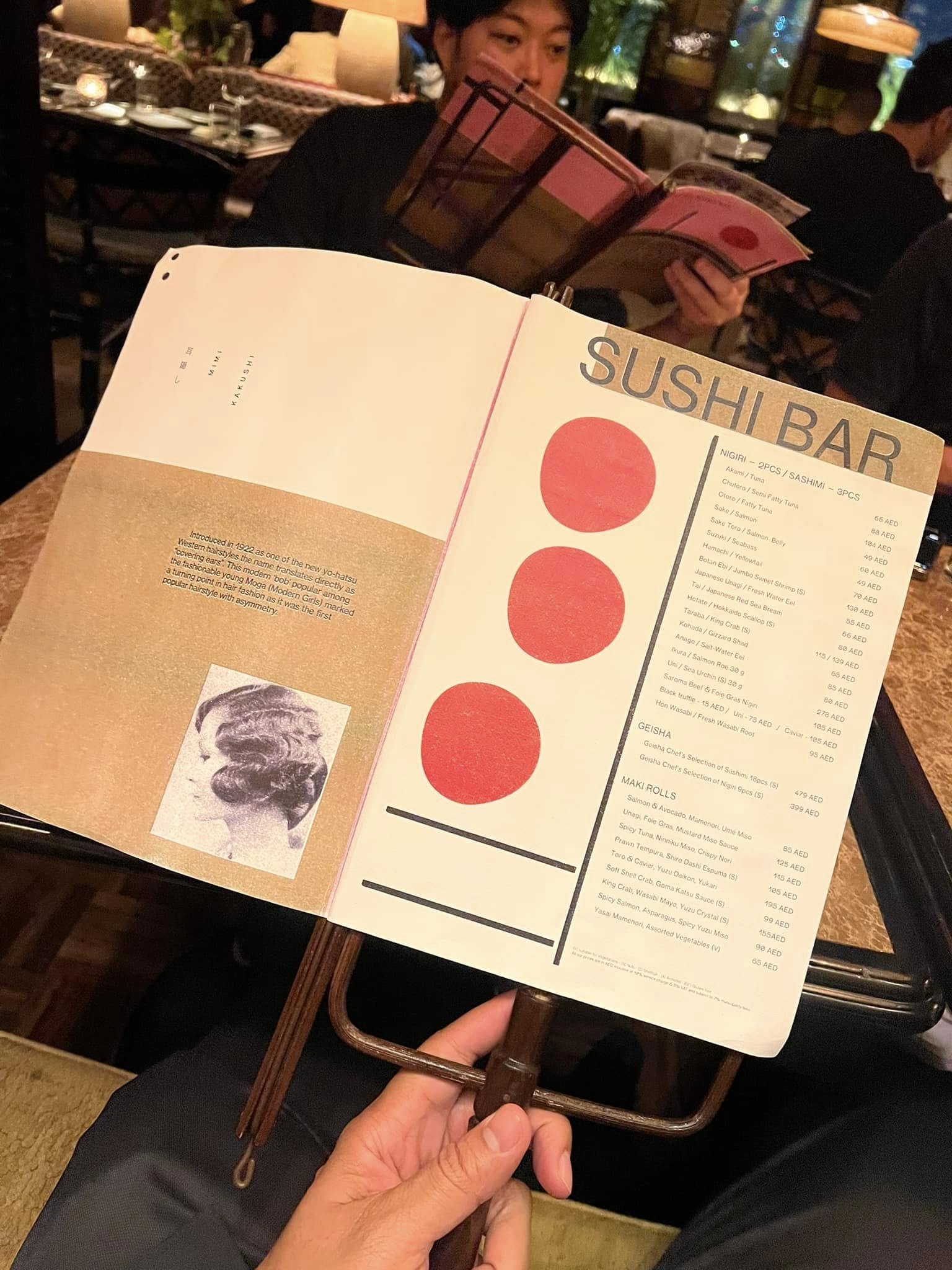
Another amazing concept, Mimi Kakushi. The have one of the World's Top 50 Bars, which I HIGHLY recommend!
How This Shapes My Work Now
This experience reinforced my approach through CarmelloVision:
Research first. Understand the business, the market, and actual search behavior before executing anything.
Position before designing. Beautiful websites are easy. Websites that generate business require strategic clarity.
Measure through real outcomes. Success isn't traffic. It's whether digital work creates business momentum.
Iterate with market feedback. The best strategy evolves with real-world experience.
Whether it's restaurants, automotive, or e-commerce, the principles stay the same: clarity cuts through noise better than bigger budgets.
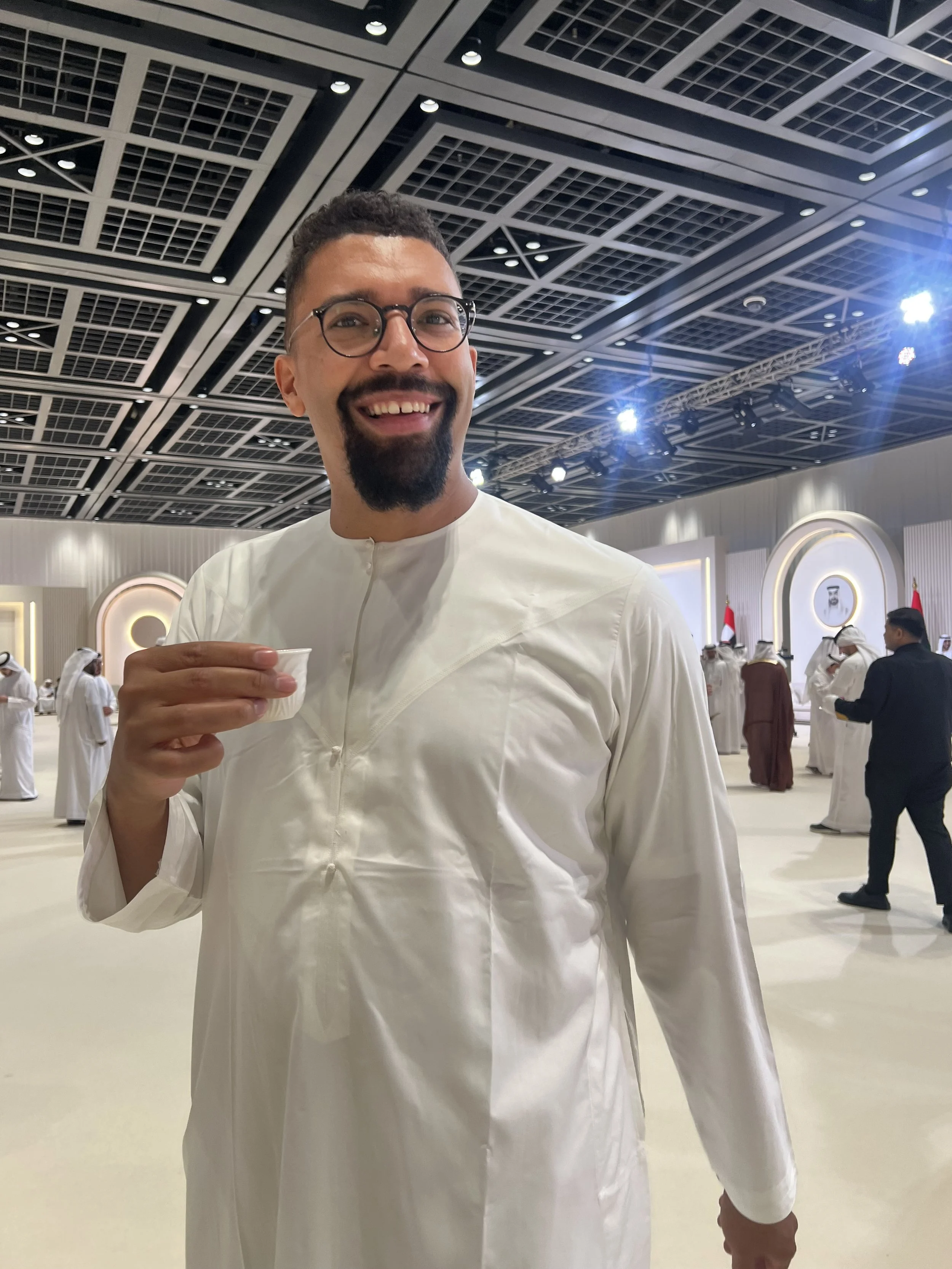
Invited to a local wedding, so had to don a kandura with the karak tea.
Where Things Stand Now
The site still ranks #1 for Japanese restaurant consulting in Dubai. The initial contract led to additional opportunities and referrals.
Dubai insights are informing Japaldia's expansion into other Middle Eastern markets. And the digital foundation continues generating qualified leads—no ad spend, just strategic positioning.
What started as a website project became a masterclass in how digital strategy and real-world immersion strengthen each other. Strong digital foundations create opportunities. Those opportunities create learning. That learning makes the digital work even stronger.
Still early days... Still learning... Still building.
If you're expanding into new markets or need positioning that translates to actual business momentum, let's talk.
Find Japaldia here: https://japaldia.com/
🇯🇵 ↔ 🇦🇪
CarmelloVision is a Tokyo-based design and strategy studio led by Shane Allen, a UX/UI designer and cross-cultural brand strategist with over 10 years of experience working inside Japanese and global teams. Having worked with clients across Japan, the United States, APAC, and the Middle East, CarmelloVision helps companies connect with new audiences through thoughtful UX, localization, and digital storytelling. If you're expanding into new markets or need digital positioning that actually crosses cultures, let's talk.
Check out these project case studies !