Why AI Gets Lost in Translation: Two Print Projects and the Last Mile Problem
By Shane Allen | CarmelloVision
There's a pattern showing up in cross-cultural creative work right now, and it's worth naming directly.
AI gets the team further, faster. The first draft exists. The translation is done. The brief is structured. Everyone feels ahead of schedule. Then a designer comes in and finds out how much has to be rebuilt, and suddenly the timeline that felt comfortable is a fire drill.
Speed at the wrong stage creates urgency at every stage after it. I've seen it play out twice in the last year, both in print, both going to market outside Japan. Both went to print on time. Neither should have been that close.
The Manual
A client was producing a product manual for the Korean market. The source material was Japanese. The team had used AI to handle the translation and vectorize the original artwork. On paper, they were ahead.
When I came in, the hierarchy was broken. The layout logic didn't carry over. The information structure that worked in Japanese didn't translate to how a Korean reader would move through the same content. These were time-intensive things such as the way sections were weighted, the visual order of operations.
Everything had to be rebuilt from scratch.
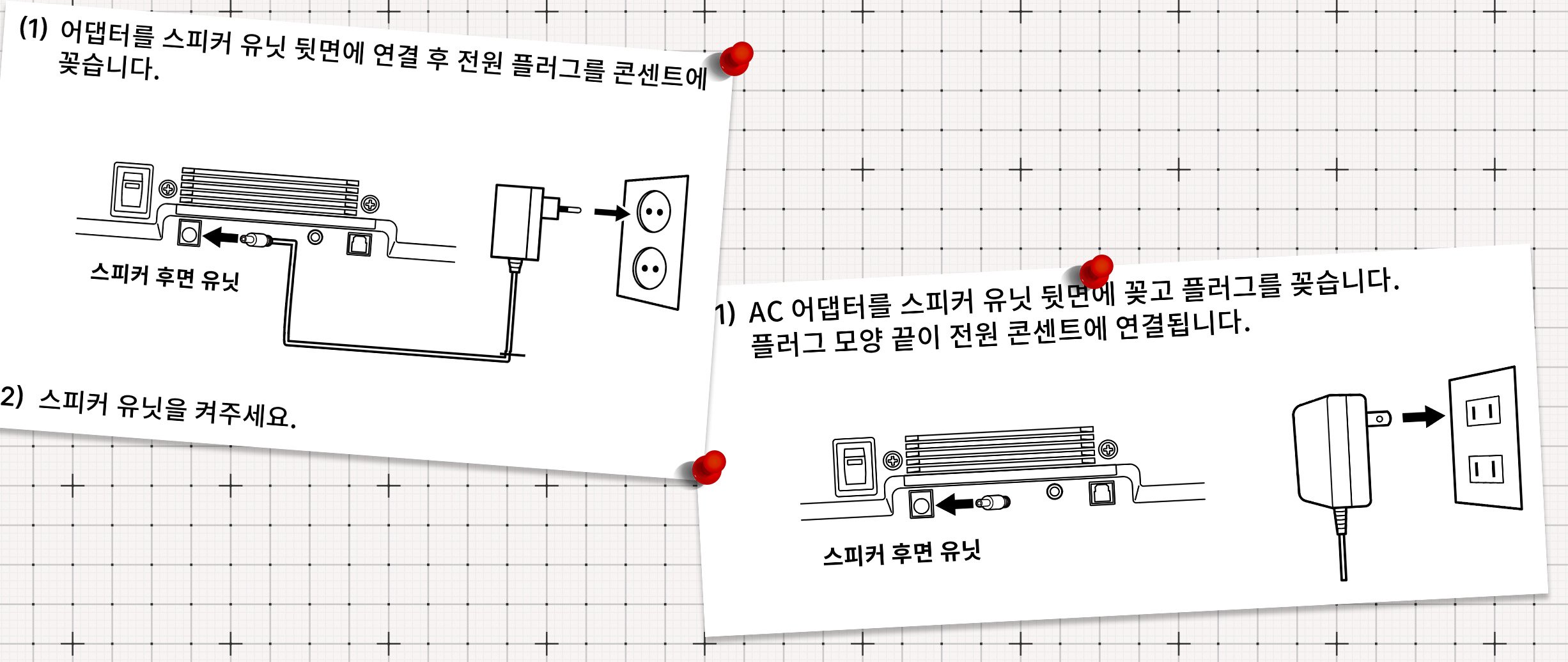
That alone was recoverable. What wasn't so easily caught was buried in the section on powering up the device. AI had correctly translated the plug type in the descriptive text from Japanese to Korean. But the image still showed a Japanese wall plug. Korea uses a different one.
This manual was going to be read by people setting up a new product in their home in Seoul. Most might brush past it. But for a brand trying to establish trust and a premium feel in a new market, that kind of detail is exactly what erodes confidence — quietly, without the customer ever articulating why.
I caught it. Fixed it in Illustrator. We hit the print date.
But we hit it under real pressure that didn't need to exist. The AI handled the initial translation throughput and genuinely saved time. Pairing that output with a local Korean translator to clean the text was the right call. The problem wasn't the tools. It was that no one with cross-cultural design experience was in the room until the timeline was already tight.
The Brochure
The second project was a product brochure going from Japan to the American market. The brief arrived AI-generated. The copy came from the Japanese side, technically accurate and well-structured, nothing wrong with it on the surface.
But it read as stiff and robotic in a way that would have landed flat with a U.S. audience. It wasn't a translation problem. It was a voice problem. The formality that signals credibility and care in Japanese business communication reads as cold and distant to American readers. AI had no way to flag that. It produced correct copy for the wrong audience register.
I rewrote the copy, redesigned the layout, and made new image choices to match the tone we were going for.
It went to print on time too.

What's Actually Happening
These aren't AI failure stories. The tools did what they were built to do. Translation throughput, brief generation, vectorization — all useful, all genuinely time-saving at the right stage.
The problem is where in the process design thinking enters. In both projects it came in after the foundational decisions had already been made, after the structure was set, after the copy was written, after the layout logic was locked. That's not a workflow. That's remediation.
And this isn't new. Brands have been making this mistake long before AI. What AI does is accelerate it. The first 70% happens faster, which makes the last 30% feel like it should be easy. It's not. That last stretch — cultural fit, hierarchy, voice, the image of the right wall plug — is where a decade of cross-cultural experience actually lives. It doesn't compress.
The Smarter Approach
Bring design thinking in at the brief stage, not the execution stage. Use AI for what it's genuinely good at: ideation, brainstorming aid, wireframe ideas, first drafts, translation volume. Then pair it with human judgment before the structure gets locked.
For brands crossing borders, the stakes are higher than they look. You're not just localizing content. You're asking an audience in a different market to trust you. That trust is built or broken in details that no model is trained to catch, because they're not language problems. They're cultural ones.
The last mile isn't where you finish. It's where everything you skipped catches up with you.
That's the work.
CarmelloVision is a Tokyo-based design and strategy studio led by Shane Allen, a UX/UI designer and cross-cultural brand strategist with over 10 years of experience working inside Japanese and global teams. Having worked with clients across Japan, the United States, APAC, and the Middle East, CarmelloVision helps companies connect with new audiences through thoughtful UX, localization, and digital storytelling. If you're expanding into new markets or need digital positioning that actually crosses cultures, let's talk.
Check out these project case studies!